The iPhone 15 Pro is a remarkably good camera. So good I didn’t even take a “real” camera on a trip to Europe with my wife in late 2023. These are some of my favorite snapshots from the iPhone, with notes.
I only cropped the photos in some cases — I made no other modifcations, and these were shot straight to HEIC, then converted to JPEG and reduced in size (2,000px wide) for this post.
Berlin
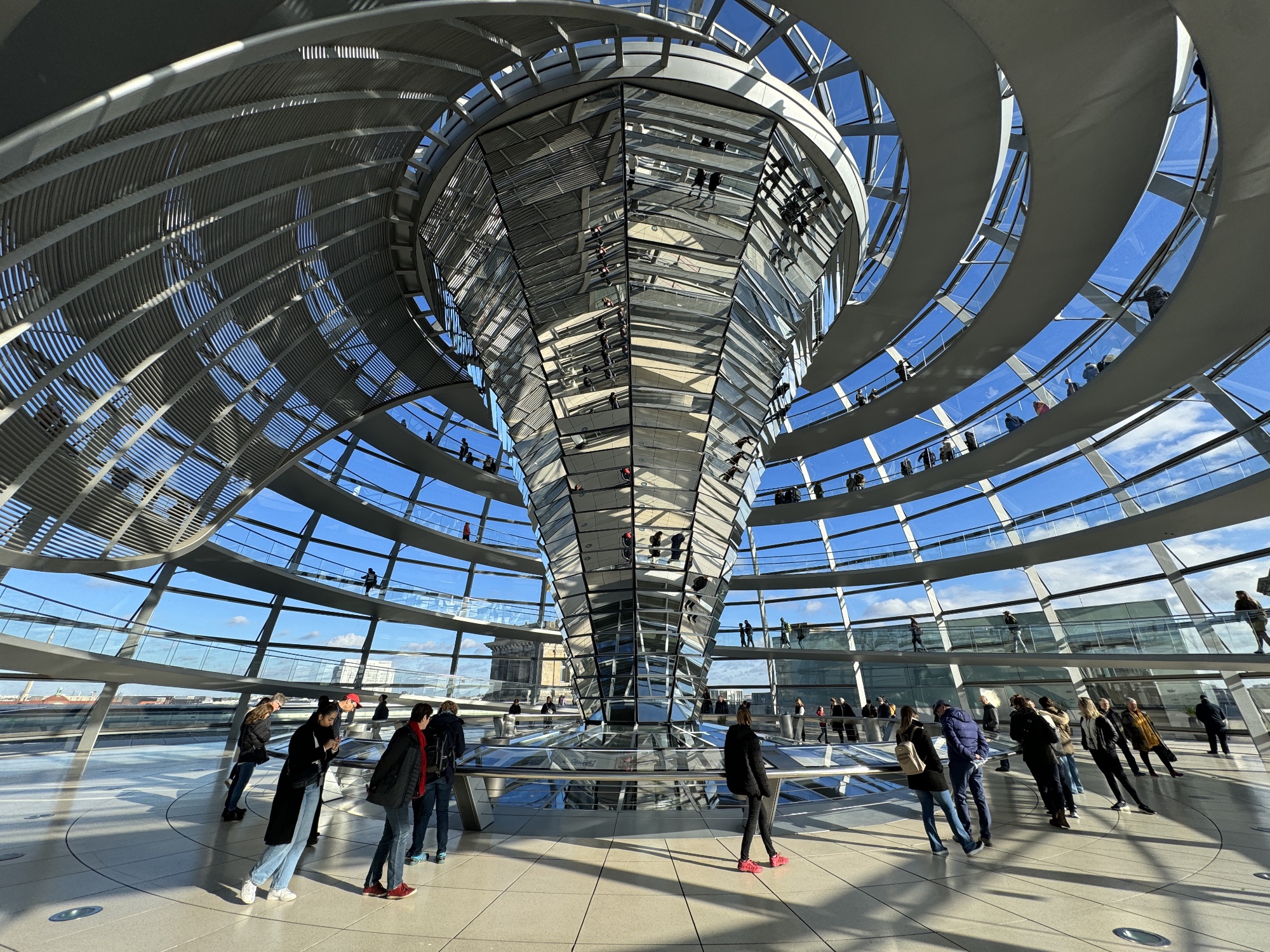
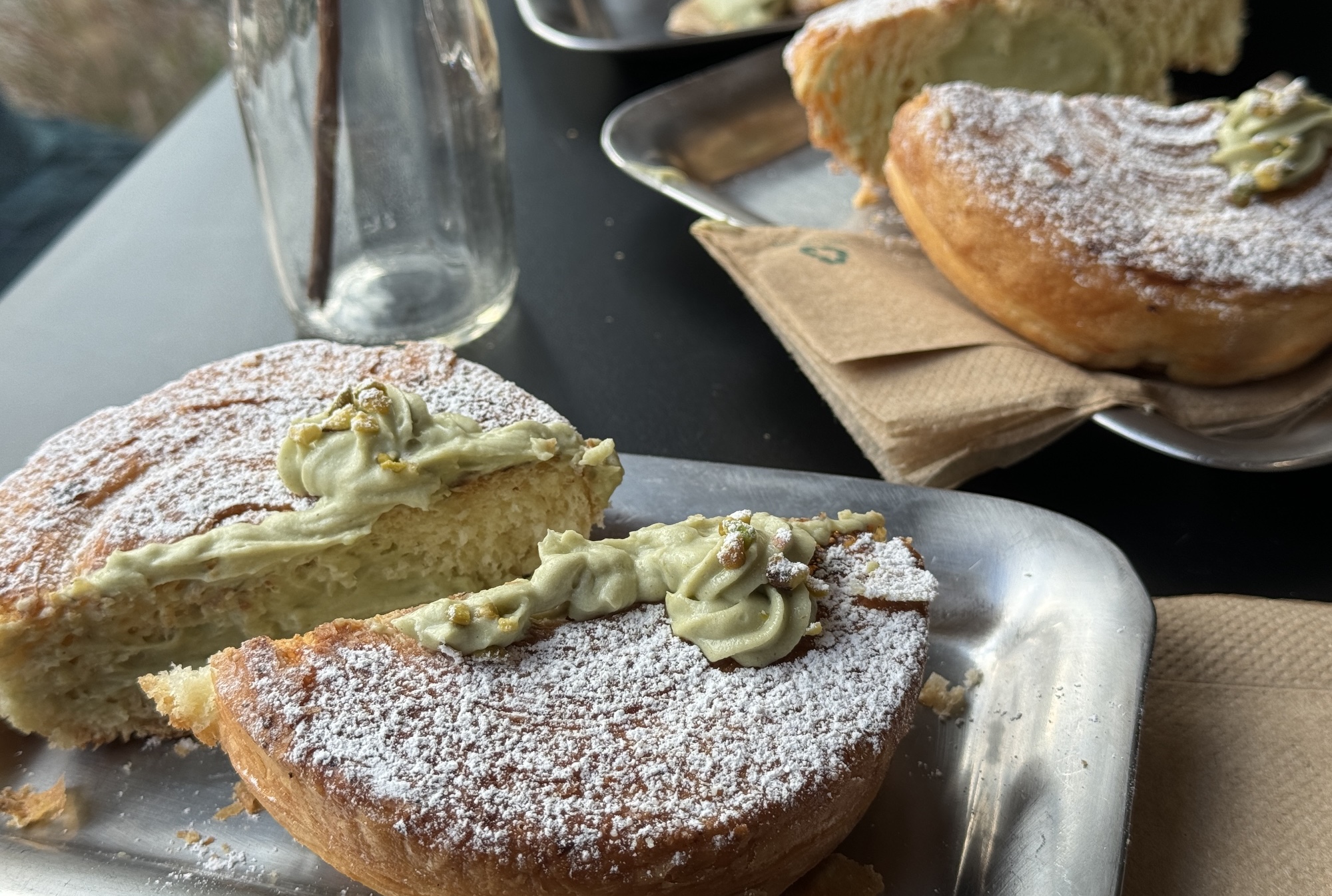
The Reichstag was a pain in the ass to get into, but an architectural revelation, especially the glass-and-steel dome on top (next). In this shot I love the smoothness of the clear blue sky and the cold look of the stone contrasted with the vibrant German flag.Glass, mirrors, and a dual-spiral ramp to reach the top of the dome… one of the architectural highlights of our trip. The symbolism of the Reichstag’s design was also noteworthy — the idea being that lawmakers would always work with full transparency to the public, never hiding what they do, unlike in prior German periods that led to global tragedy.Food in Berlin was noteworthy, too, including this fully vegan bakery with treats that were shockingly good. When it’s gluten-free or vegan I’m prepped for an often-lackluster experience. Not with this flakey pistachio cream number.Berlin’s Hauptbahnhof was a multi-layered engineering marvel, with trains above and below you at multiple levels, criss-crossing in every cardinal direction. The red train in this photo was on top of the shops, people, and at least two more layers of tracks below the main concourse. Aside from the sheer number and arrangement of tracks was the shocking number of arrivals and departures running across all those tracks, all day long, just minutes apart. The daily operation was as impressive as the engineering and architecture.This photo is not distorted — the balcony of the Pierre Boulez Saal is deliberately warped as part of its innovative theater-in-the-round oval architecture. We’d never seen anything like it. And we experienced the most fascinating and beautiful concert of our entire tour in this theater. Fun fact: I bought the tickets last-minute using the satellite Internet connection we had while flying over the Atlantic.
Hamburg
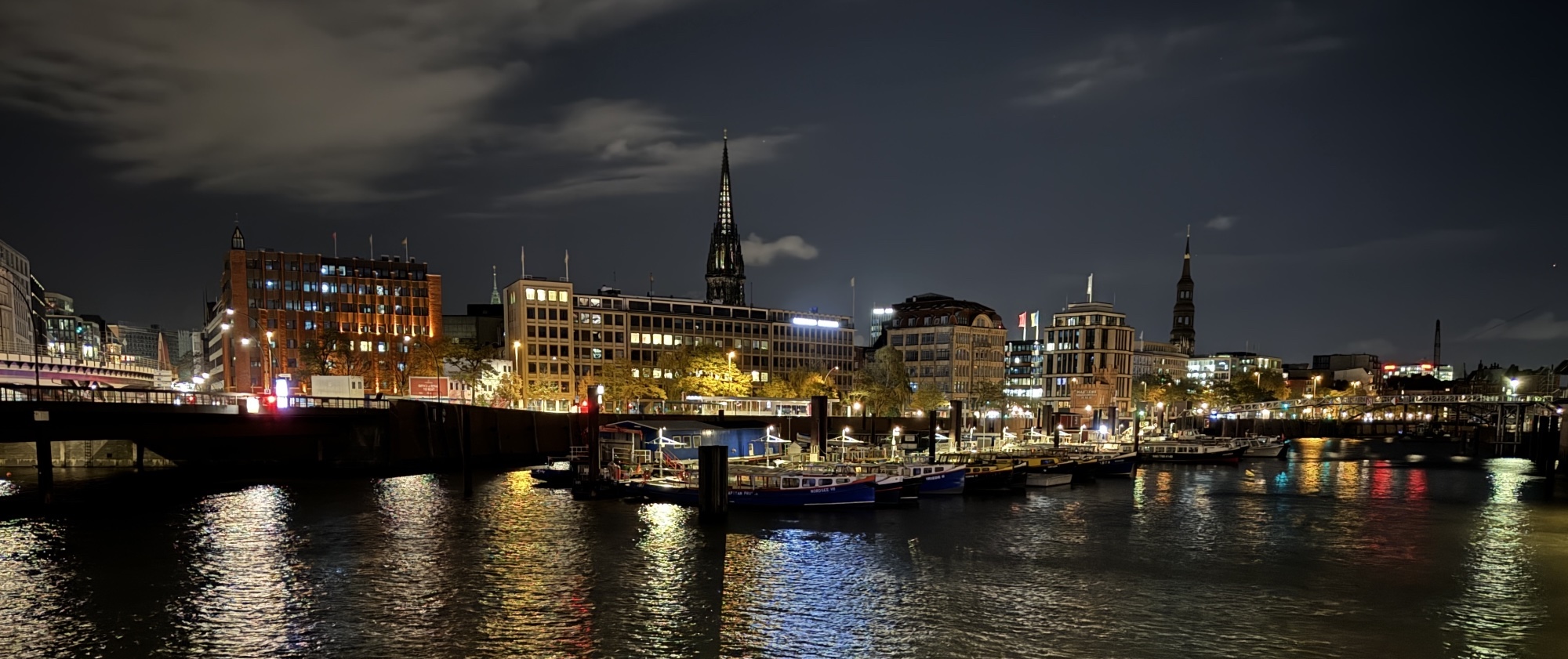
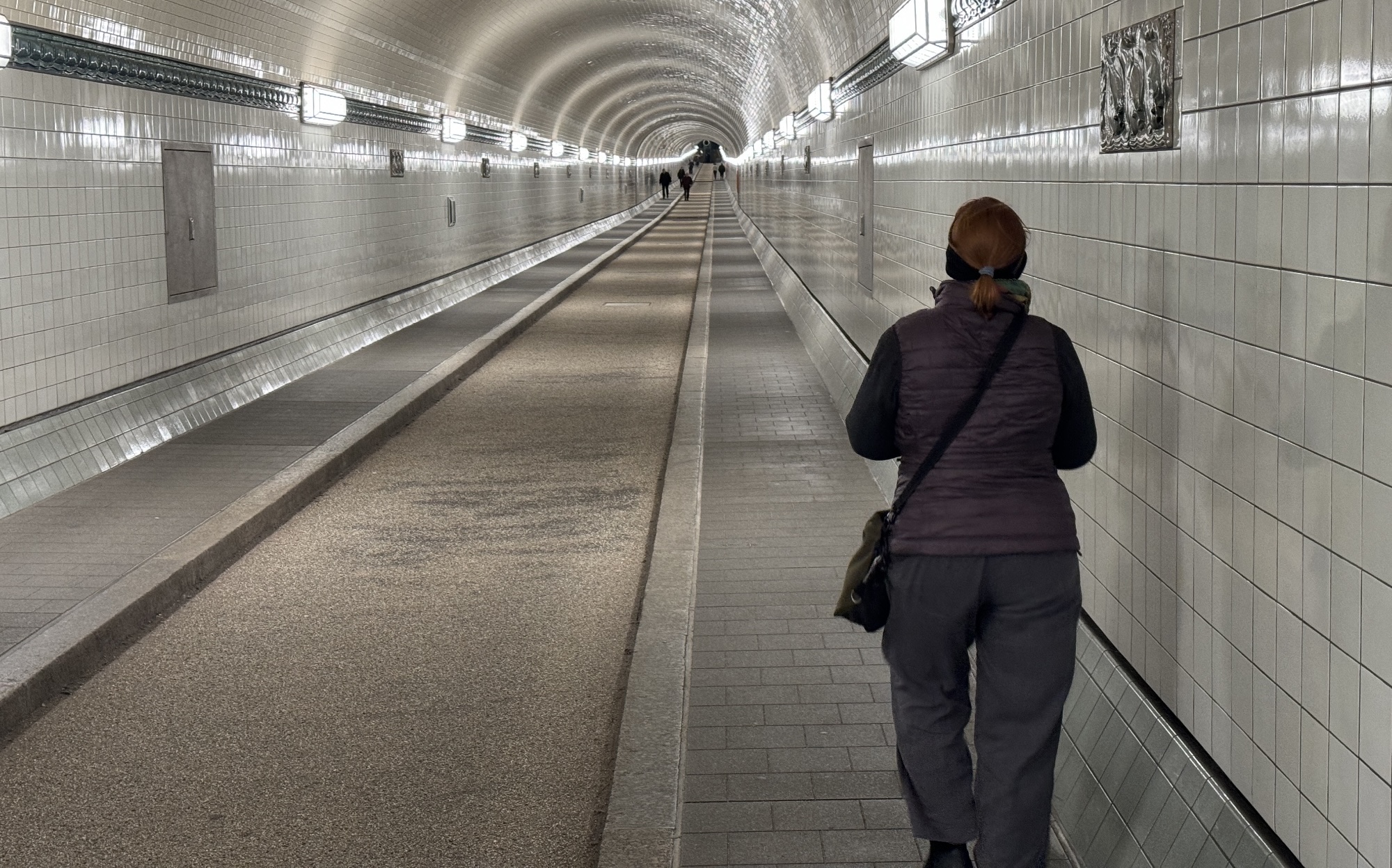
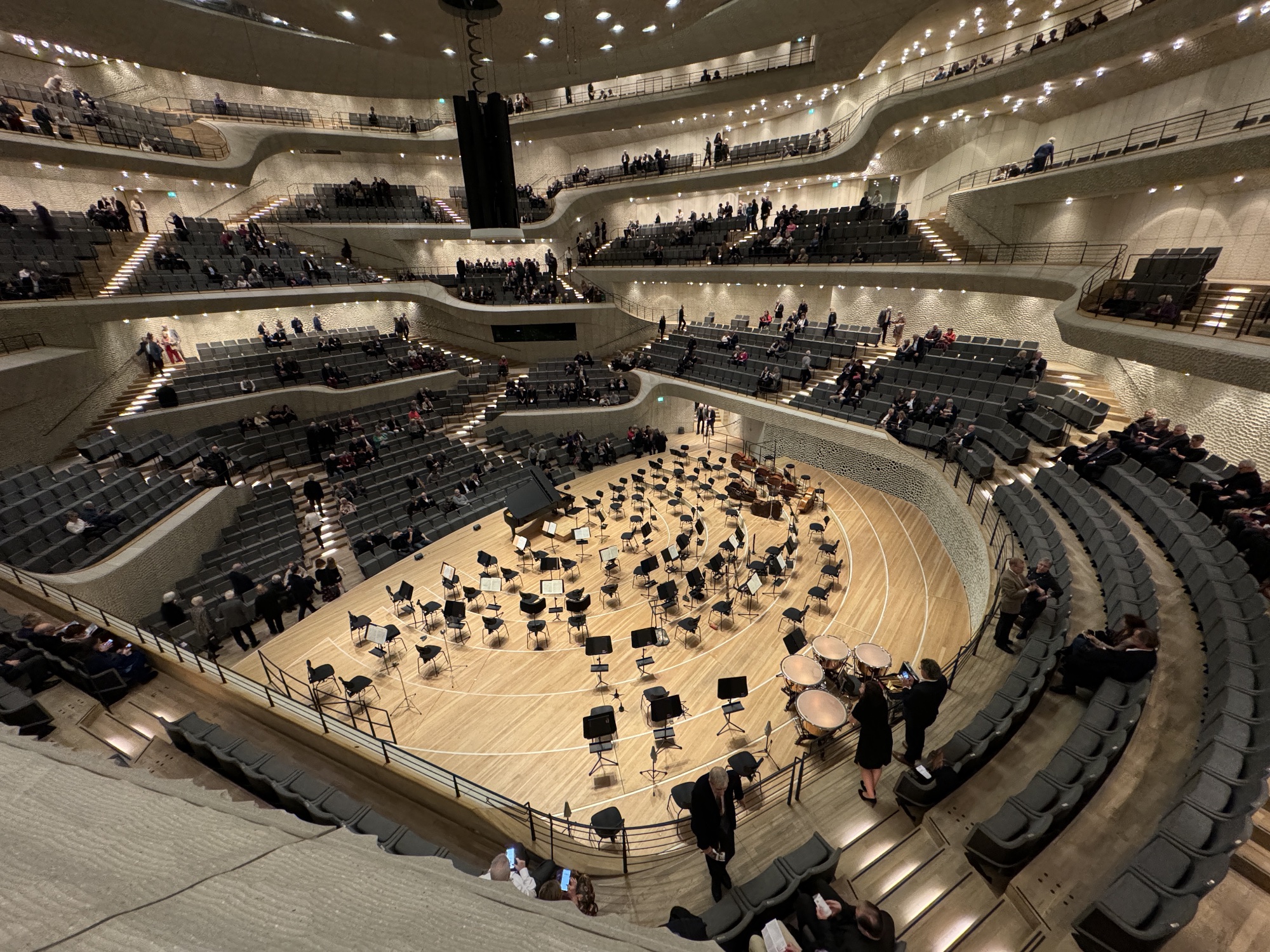
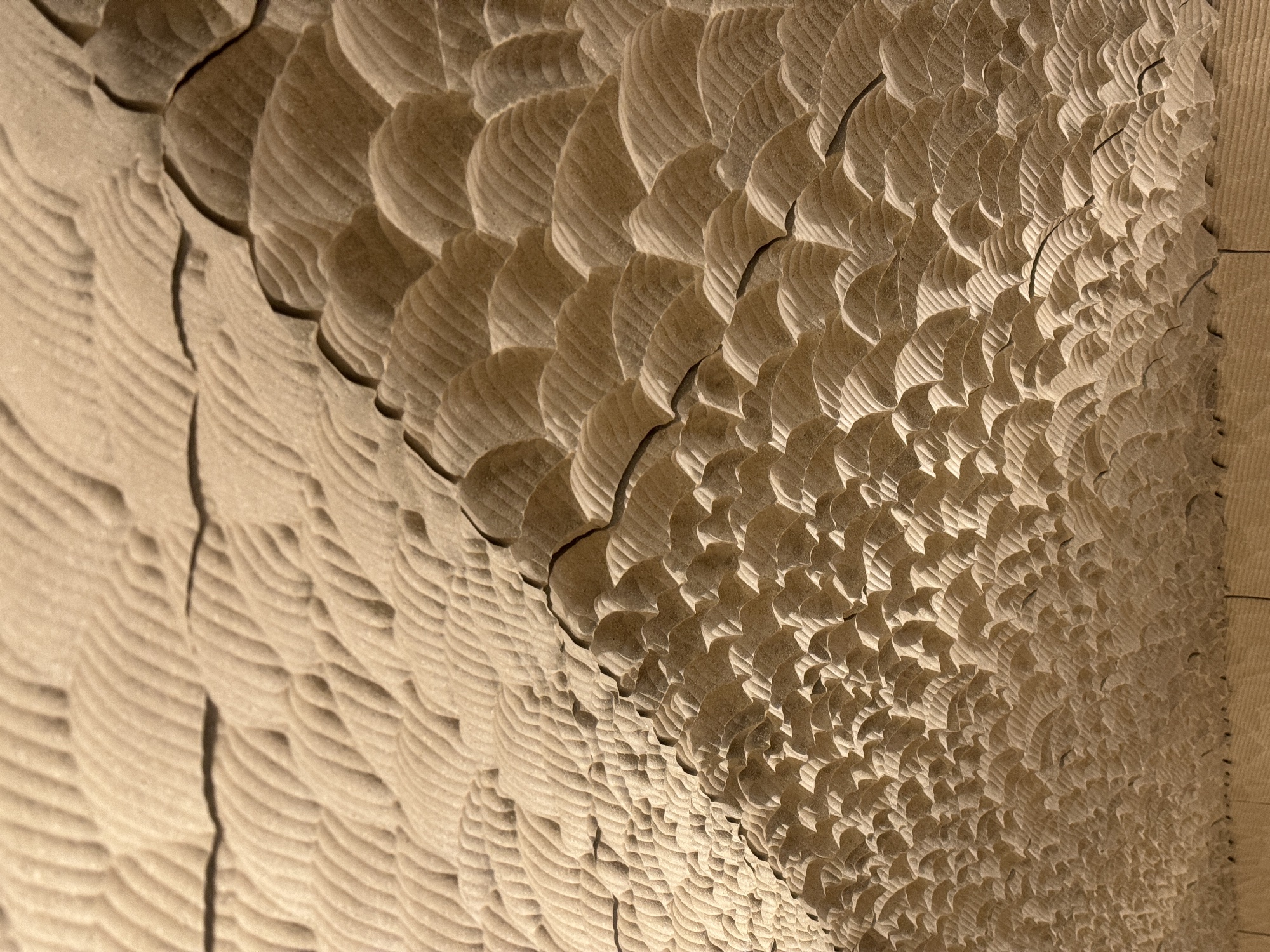
As a centuries-old port city, Hamburg has a lot of waterfront and ports and canals, and the old and new architecture is lit up beautifully at night. Of the major cities we visited on this trip, Hamburg felt the most down-to-earth, accessible, and fun to explore. We’ll have to go back.While in Hamburg we had to visit the world’s largest model train installation — Minitur Wunderland. Rather than bore you with the (amazing) trains, boats, plans, trucks, and more, check out this insane control room, with multiple live operators, video feeds, and technical readouts on this tourist magnet.You can walk (or ride your bike) under the Hamburg port in this roughly 1km-long “St. Pauli Elbtunnel” that was originally built in 1911. It would be amazing if it were built today, but the notion that folks more than 100 years ago could pull this off is all the more impressive. The entire length is tiled with real ceramic tiles. They should be sponsored by Scrubbing Bubbles™.Completed in 2017 and costing nearly $1 billion, the Elbphilharmonie is nothing short of spectacular. It is an architectural triumph and an acoustic delight. We attended 3 concerts here, including seeing world-famous French pianist Hélène Grimaud performing the Brahms 1st piano concerto. We loved the quirky layers of balconies and curves combined with the beautiful hardwoods and very comfortable seats. While the concert hall in Berlin was impressive, it’s 1960’s architecture is showing its age, so it was wonderful to see what could be done when a city sets its mind to creating something big, meaningful, and contemporary in this century.The Elbphilharmonie includes countless engineered details, including these 3D-printed wall panels, intended to both reflect and absorb the sound waves emanating from the stage in order to make every seat in the house sound as good as possible. Up close and personal it looks both highly manufactured and organic at the same time.
Lübeck
We only made an afternoon/evening side trip from Hamburg out to Lübeck, to see another north German town — one that sees less tourist traffic, especially in winter. We may change future travel plans to stay in these smaller 2nd- and 3rd-tier cities because they are much more charming, less crowded, a little cheaper, and it feels more like you’re in the “real” part of the country, not a tourist-soaked enclave where it’s unclear whether you’re getting an “authentic” experience.
Vienna
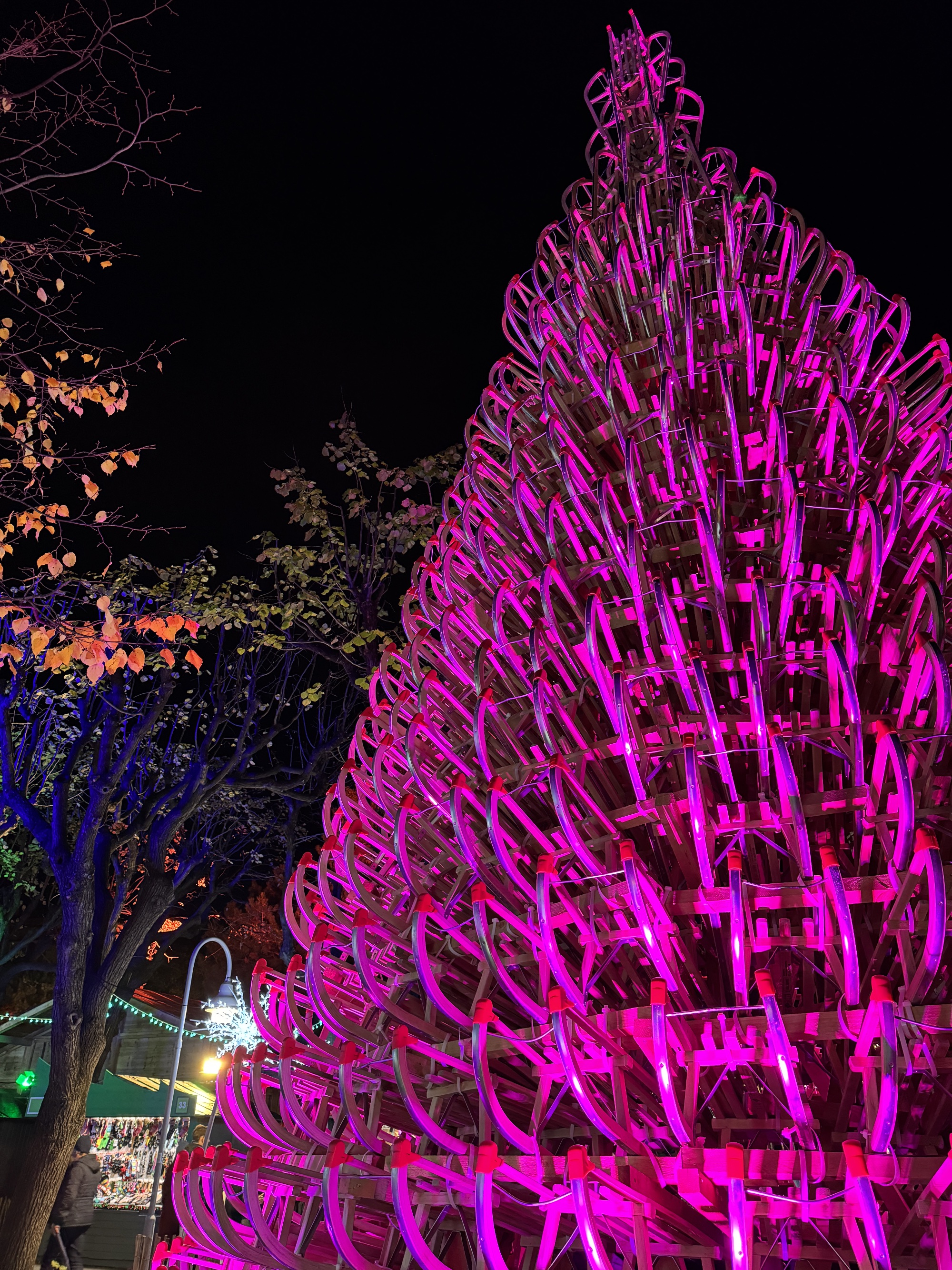
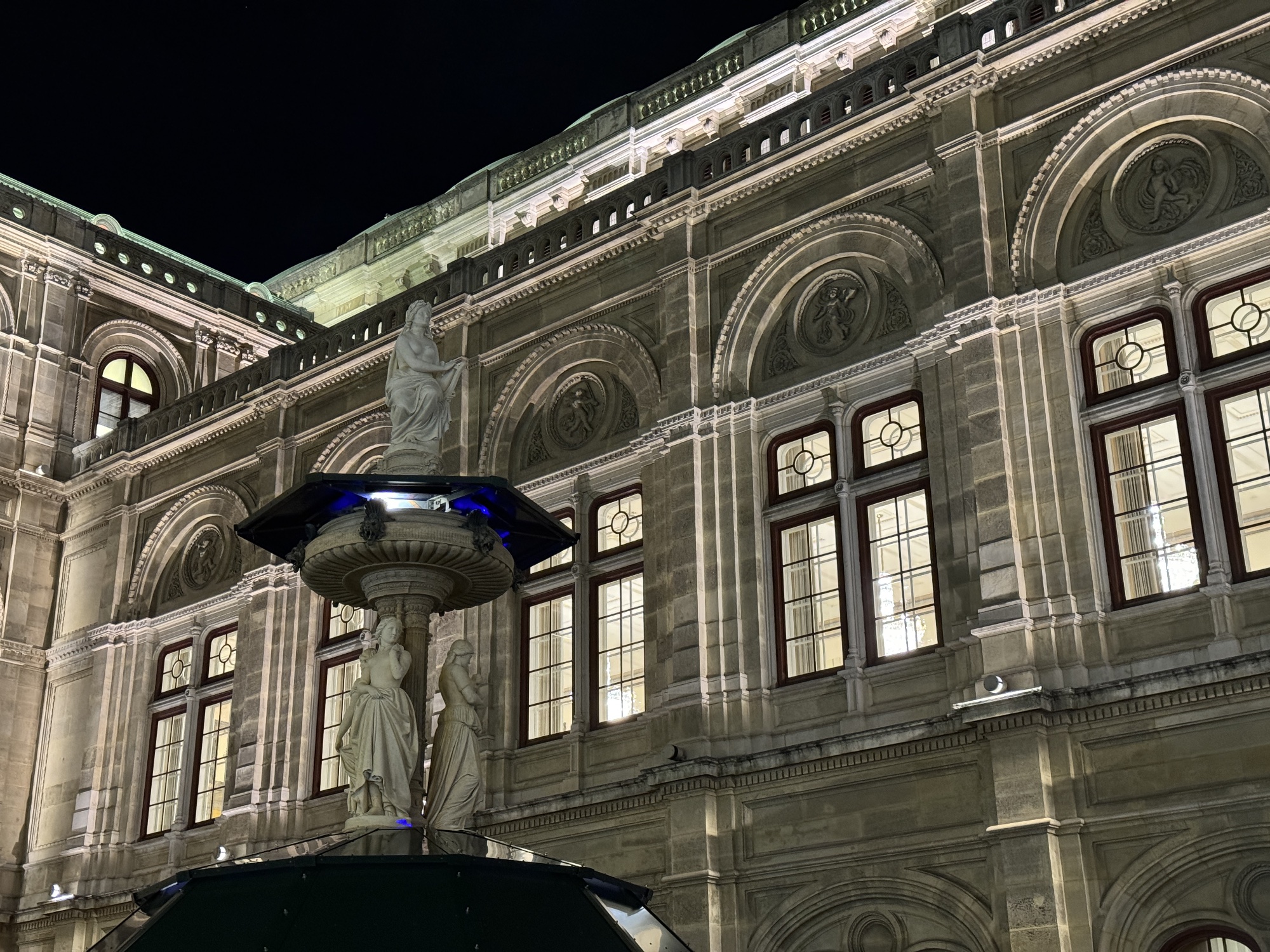
While on a food tour in Vienna, we got to see a truly local open-air market, where residents routinely go to get their produce. Each of the sellers buys from a major grocery distributor at wholesale and turns the produce around to sell it retail in their market stall — but at a price well below commercial grocery retailers. So if you want produce in Vienna, go to your local street market, not the formal grocery store. Lucky for residents, these markets pop up all over the city multiple times per week.We were disappointed with the price/performance ratio at Vienna’s Musikverein, home to the Vienna Philharmonic and lots of other orchestras and groups. (The price was high, but the quality of performances was moderate at best and the audio quality in the hall was the worst we experienced in Europe.) But at least they use the money they collect to maintain a remarkable historic facility, including detailed gold inlay architectural elements throughout. It’s just ironic this world-renowned music hall’s best feature is visual.Contemporary train stations are my catnip, and while Vienna’s was not as impressive as Berlin’s, it was still a beautiful and efficient facility.While in Vienna we visited one local Christmas Market that had just opened, an Austrian tradition each year. The market was fine, but this pink-lit Christmas tree made entirely out of toboggan sleds was truly impressive.It was great to see an opera—Mozart’s Magic Flute—in the historic Wiener Staatsoper hall, from a box seat, no less. This was expensive and… it was fine. We saw the “B” team, or maybe even the local “C” team in the performance. I suspect some truly amazing operas are performed here, but this wasn’t one of them. But again, the facility was historic and impressive.The exterior of the Wiener Staatsoper is lit up beautifully at night. Architecture is one of Vienna’s biggest draws, and it doesn’t disappoint.One of the most-photographed cathedrals in the world shows off the good stuff in bright sunlight against a clear blue sky. We only got one clean shot like this of St. Stephen’s the entire 5 days we were in Vienna, which isn’t surprising, given it was mid-November.The St. Francis of Assisi church, northeast of District 1, was a surprise. It’s complex, hulking gothic mass was topped with striking red cones and oxidized copper accents. Completed in only 1913 it wasn’t in as good a shape as other longer-standing churches. But striking nonetheless.
Bratislava
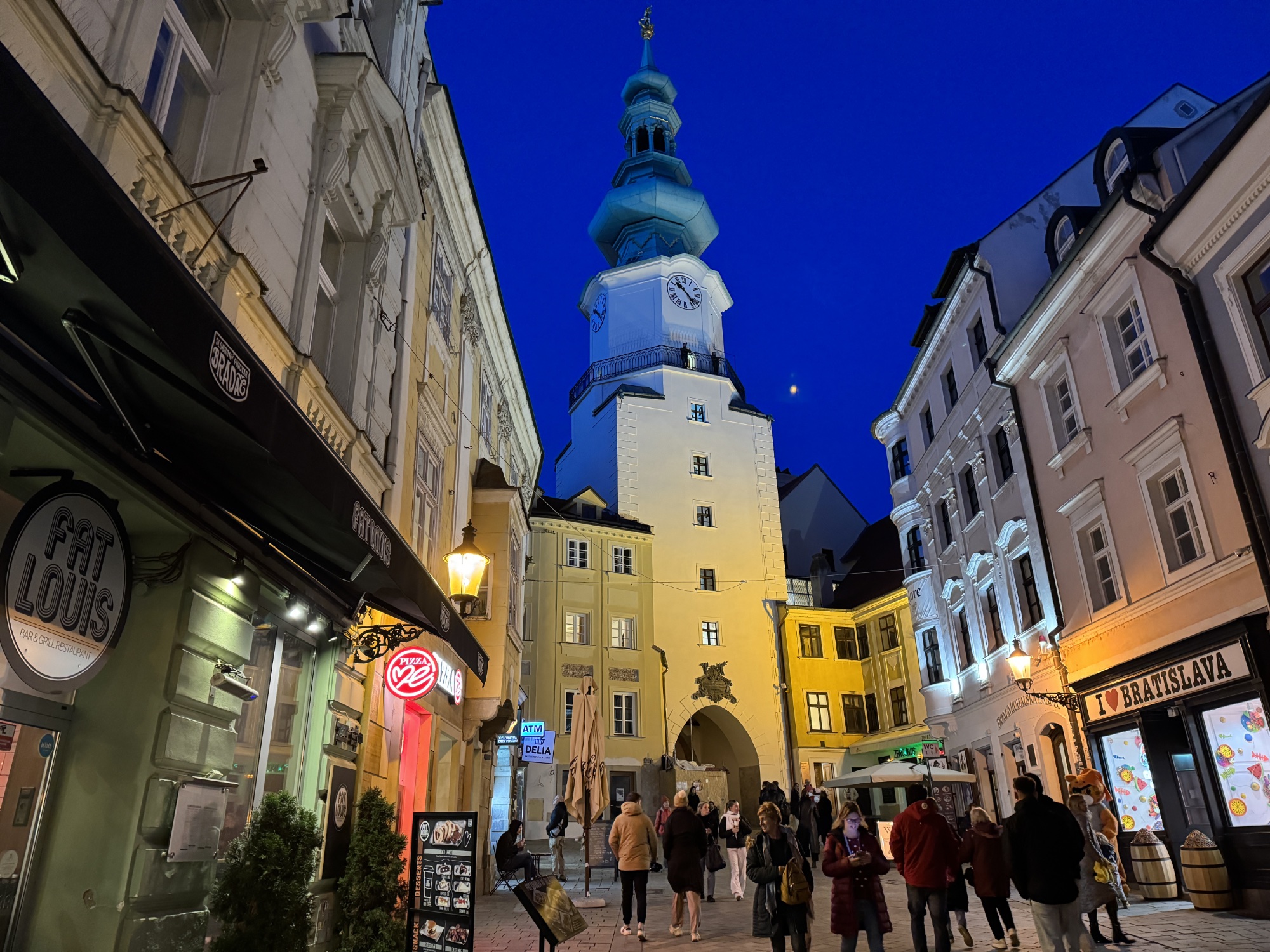
There are lots of foods you “must” try while in Bratislava, and the local cola is one of them. It was fine. We did a great food tour while in town and checked off all kinds of tasks like this, learning from our local host along the way. This shot was from inside the infamous “Bratislava Flagship Restaurant” — which is the actual name, and it still makes me giggle.Modern tourist commercialism pairs with historic architecture in the “old town” of Bratislava, lit up just past the “golden hour” as we walked from the train station down to our riverfront hotel.And we end with the obligatory shot of the “Čumil, Man at Work” bronze sculpture in the old town of Bratislava. The city has really done a great job of creating little Easter eggs like this that specifically draw in tourists like us.
Discover more from digitalpolity.com
Subscribe to get the latest posts sent to your email.











 digitalpolity.com