
October 7 – 13
My “weeknotes” capture events, thoughts, and other items from the past week, mostly focused on work. Learn more about the weeknotes concept here.
I started the week on vacation in Arizona, then was back at work Thursday-Friday.
One Thought: When the river doesn’t meet the sea

I’d never been to the Grand Canyon before this week. But my wife and I spent a few hours there peeping over the edge and dodging the Chinese influencers taking photos for their followers.
It’s a natural wonder, of course, and the scale of it is hard to comprehend. But how this grandest of canyons was formed is the same the world over, and it’s simple. Water falls from the sky, hits the ground, and is pulled down by gravity to the lowest possible point. This happens again and again over a massive geographical area, and as this water moves around it dissolves and abrades away the rock it encounters little by little. Hundreds of thousands or millions of years later, those water streams create a fractal pattern of gullies, gouges, rifts, valleys, basins, and canyons for us to admire.
In the case of the Grand Canyon, the primary water grinder has been the Colorado River. It starts at over 10,000 feet above sea level in Colorado and gathers millions of tributaries on its winding southwesterly path. Like most rivers the water follows gravity until it reaches the open ocean. Except in the case of the Colorado, the river hasn’t reached the ocean since the early 20th century. The water is gone before it links up with the Gulf of California.
The Colorado River’s water is subject to endless legal battles in the American West because it’s used for agriculture and human habitation at a scale that is not ecologically sustainable. So the river is no longer doing the job it used to do—it’s not carving the next iteration of the Grand Canyon. We humans wanted predictable harvests and daily showers and clean clothes in the middle of the desert, so we effectively stopped an entire river. What flows through the Grand Canyon today is a trickle compared to the water that carved this land into the wonder it is.
Today the Grand Canyon is weathered by the wind and sun and little else. So there’s no rush to go see it—it’s not changing much.

Budgets are rivers, too
How does the Colorado River and the Grand Canyon relate to public digital services? Well…
Our work is powered, in part, by money. While the Grand Canyon was formed by falling water, our accomplishments in government are powered by the budgets we wield. We have to pay people to grind away at the sedimentary layers of government. They have to keep coming back every day, every week to pull the water downhill a little bit, abrading away the sharp, rocky bits in front of us. They have to be the gravity we need to drive changes in the landscape. You don’t get a Grand Canyon of public service without a lot of work that piles up over time. The big canyons start as individual raindrops.
Money flows like a river in government. Every team works to divert some of the flows into their own agricultural projects in the desert. Some people work to make it rain more (taxes). Some people try to improve the efficiency of our water usage, or they focus on conservation up front. As the river gets diverted and used, the shapes of the canyons change. Some canyons deepen and widen as more money flows through, others may remain mere gullies at the side of the road.
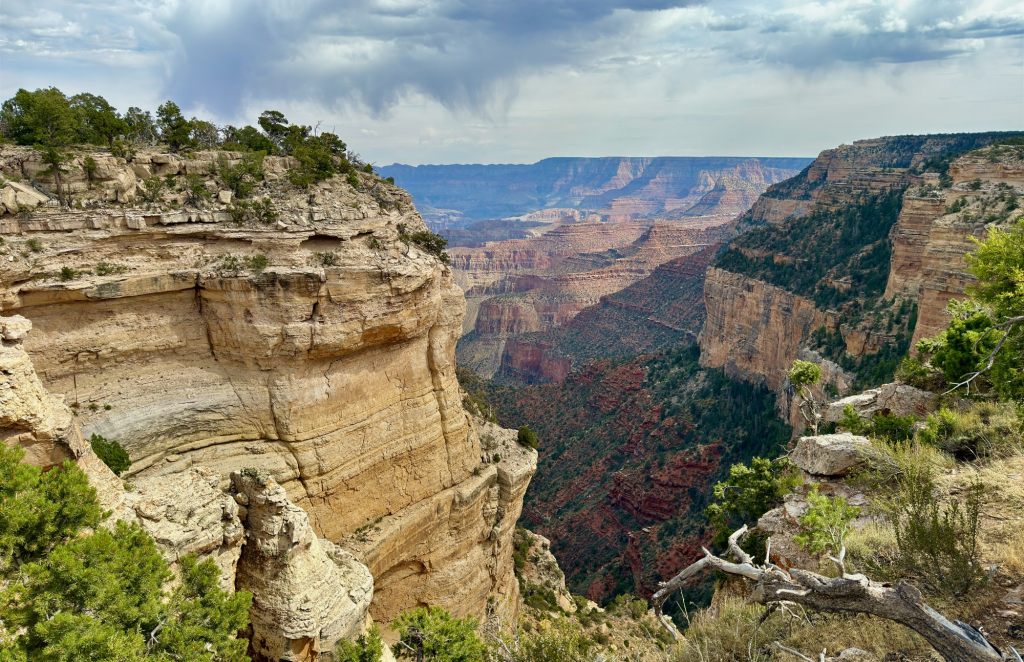
Nobody planned the Grand Canyon. It’s an emergent property of precipitation, water composition, gravity, rock layers, wind, sun, temperature changes, and millions of years. Similarly, no single mind or decision planned how local government appears today. It’s a combination of elections, ideas, budgets, staff, macroeconomic factors, and more. It’s an emergeny property of many, many different factors and decisions.
Still, budgets are expressions of the canyons we want to carve—a map of the landscape we envision. And there are lots of opinions about what a “good” future canyon looks like.
Canyon 2025
I’m thinking about all this because budgets for 2025 are coming into focus, and it’s clear our teams are not going to get all the resources we need to deepen the canyons we’ve only just started to carve. We’ll get some of what we’ve requested, but not all. We’ll carve through a few more sedimentary layers of government next year. But not as many as we could have.
This leads me to believe we’ve (or really, I’ve) not done a good enough job painting a picture of how much better our Grand Canyon of local government could look if we moved some of the water over here instead of over there. Sure, I could make a case that some of the water was misplaced by elected leaders that saw a mirage out here in the desert, believing there was more water on hand than there really was.
But the truth is I need to do a better job of making the case for more water to be dropped in our part of the desert.
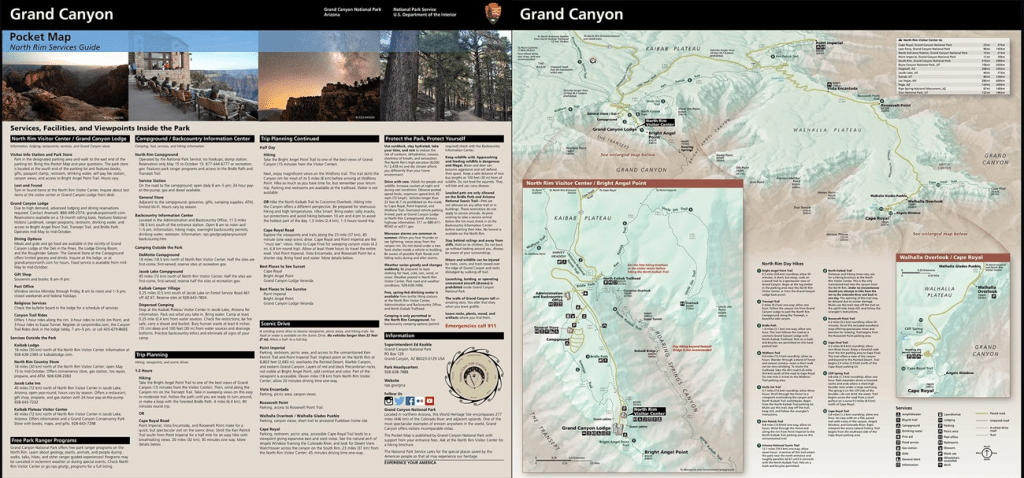
So as I think about 2026+, I need to think a lot more about building the right kind of visitor’s guide for the future. “If we got more water, if we had more time, this is the Grand Canyon we could build. Please help us get there.” We have to entice the folks that control the flow of money to send more our way.
To do that, we at least in part have to demonstrate how funding us funds their mission. We are the conservancy. We are advocates for the park itself. Funding us ensures more people can experience the park and will actually enjoy their visit.
Five Notes
- A phrase or idea keeps coming up in my work, and I’m know I’m not the first person to share this observation. Indeed, I may have heard it somewhere else in the distant past. It’s a simple truth that’s hard to grasp: “Communication doesn’t happen at the mouth of the speaker, it happens at the ear of the listener.” In far too many cases, people feel that if they said something, the job is done. But it’s not. If you want to be heard, you have to speak in ways that can be heard by your audience. And you have to check to see if they heard you. And if you can’t be heard for reasons beyond your control, it’s time to move on to another environment where you can be heard.
- I loved this tour de force post from across the pond, illustrating (via multiple Britishisms) that the problems we have in the U.S. are universal. A digital centre for the rest of us? If you don’t know UK government at all or your British translation circuit is a little rusty, it may not make a ton of sense. But for me, this was a killer piece.
- The new ADA accessibility requirements facing all levels of government starting in early 2026 are just around the corner. And one element is likely to be forgotten as agencies look over their compliance challenges: PDF documents. Yes, they have to meet ADA guidelines, too. Check out this primer to see how much work is ahead of you: The elephant in the new accessibility law: PDFs
- The Beeck Center’s Digital Service Network launched it’s all-new Digital Government Hub and it’s a doozy. The DSN already had a lot of resources, but this expands the library in new ways and I can’t wait to see how this resource collection grows over the next year or so. Beeck is really hitting it out of the park in the #govtech sector.
- Techdirt had a great podcast episode this week if you’ve ever worked in public-focused media before. They talk about “slow social media” for communities and it’s a fascinating exploration. The basic rules from the primary example: One post a day, max; all content is human-reviewed and moderated; max community size of a few thousand; validated community identity / location for each user. This is the kind of thing I was proposing in the digital public media space 15 years ago and no one listened—they were too enamored of having radio and TV licenses and didn’t understand the proper role of media tied to geography.
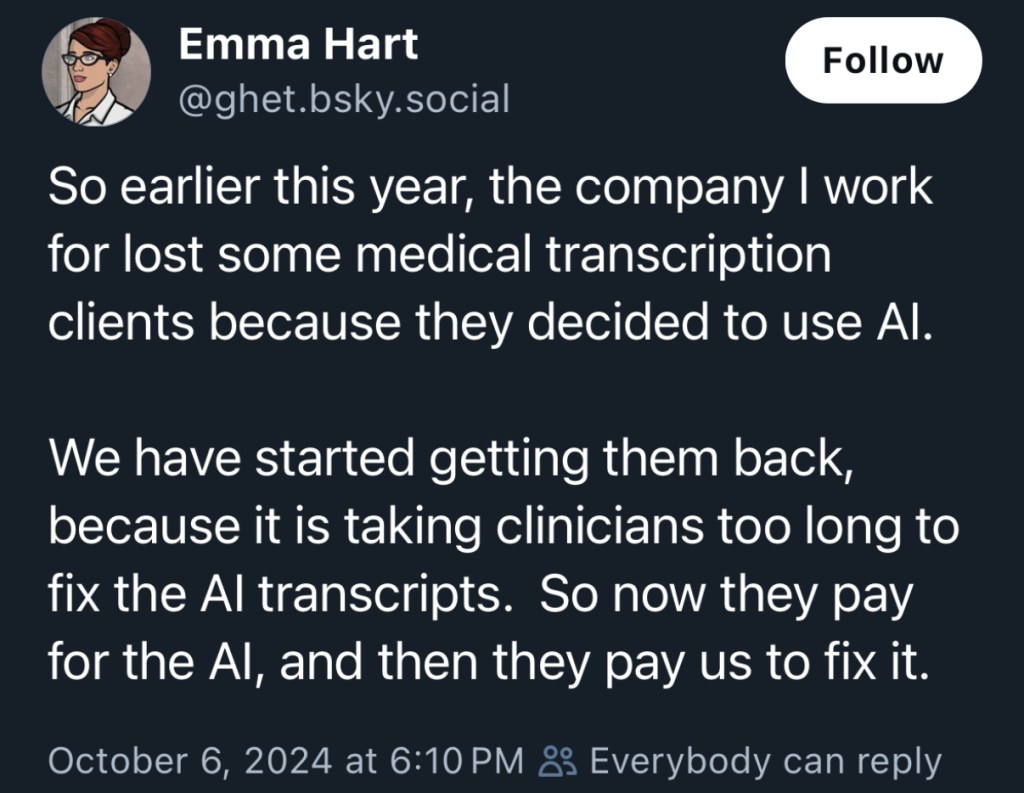
BONUS: This #AI observation from Bluesky that should be a warning to local governments everywhere. Make sure any AI you add to your toolbox doesn’t increase your workload.
One Video: Surveillance state #LOL
You grab some facial recognition software, the Internet, some photo-snapping glasses, and knit them together with some AI search and summary tools, and bam… you’ve got yourself a makeshift total-population-surveillance system. This is like the Person of Interest TV show, just done by college kids for a laugh. Now just imagine what determined and funded organizations can do.
Five Laughs
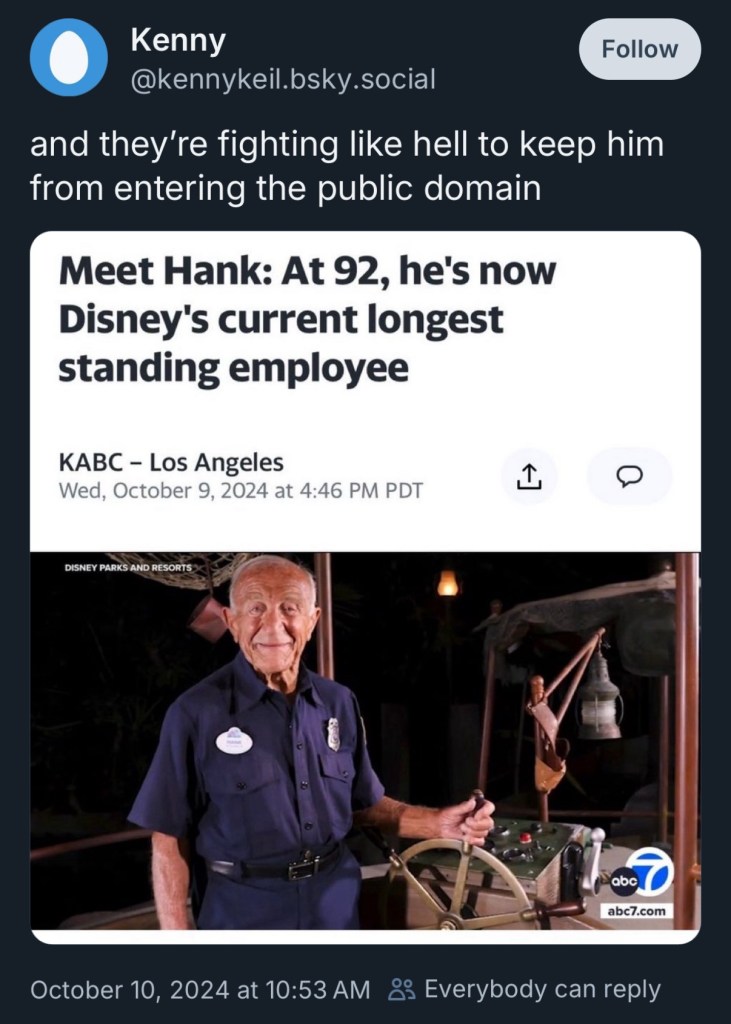
This one deserves a special golf clap for mixing in a copyright law joke...

One Photo

Discover more from digitalpolity.com
Subscribe to get the latest posts sent to your email.
 digitalpolity.com
One thought on “2024 Weeknote 41 : A river runs through it”
Comments are closed.