
October 21 – 27
My “weeknotes” capture events, thoughts, and other items from the past week, mostly focused on work. Learn more about the weeknotes concept here.
One Thought: A standard of care
EXPERIMENTAL: You can listen to my commentary by clicking below. This is not AI-generated! I recorded this myself. If you like this format, let me know.
A project went sideways late this week. Really sideways. Like story-in-the-news sideways if journalists ever find out about it. I can’t reveal who was involved or exactly what happened for 3 reasons:
- it’s politically-sensitive (of course)
- in the end this situation will be worked out, so it’s not that serious (it looks bad, but it’ll be fine)
- the details aren’t actually relevant to my point
What happened?
Short version without naming names:
- A customer of ours deployed a large and moderately-complex technology solution over the course of the last several months.
- There were multiple layers to this solution, including some “optional” layers that technically didn’t have to be deployed, but if deployed they would save a boatload of administrative time, effort, and frustration later.
- The solution, in small-scale tests, worked great, even without the optional tech. (So far, so good.)
- Our project team reminded (and reminded, and reminded, and reminded) the customer to deploy all the “optional” parts of the solution, too, over the course of the last few months. We wanted them to avoid future frustrations.
- The customer just didn’t do it. They were “too busy” to do it and they didn’t ask for additional help to get it done.
- This week it was time to deploy the solution at scale and… trouble ensued. Since the “optional” pieces were not deployed, all the predictions of administrative hassles, delays, and frustrations came to pass, and now everyone is scrambling to fix the situation or deploy workarounds.
- Now everyone is frustrated. The customer is frustrated the solution “doesn’t work” (it does). And our team is frustrated the customer was advised to do the “optional” work as designed, but they didn’t, and now here we are.
Over the weekend and into this week this will all be worked out. The public won’t be harmed in any way. But our team and the customer’s team have put in a lot of last-second effort to work around this situation, and feelings are a little rough on all sides.
Naturally, everyone wants to know “who’s fault is it?” so folks are thinking about it. But I think this is a case where there’s no clear answer, even if it feels like there should be one.

What’s your level of care?
A former colleague of mine used to talk about her “level of care” for any given situation. Some projects or even people she cared deeply about. Others she cared little for. How she felt about those things affected how she interacted with them or supported them. And yeah… we’re all like this. What was different about her was she was self-aware of this level-of-care consideration, and she could often adjust her thinking to improve her level of care when needed.
When it comes to leading projects and working with customers, we need to be cognizant of our level of care. Not all agencies or teams or people need the same level of care from us. Indeed, to treat people (or customers) fairly, you must treat them differently. (Equality and Equity are not the same thing.) Selecting your level of care is vital to ensure any project or service engagement works out well for everyone. In effect, we need to be in command of our level of care to meet the customer’s energy and, more importantly, their organizational maturity.
In this week’s case, we may have enjoyed tsk-tsk-tsking about this customer that ignored our advice (“We told you so.”). And we can ascribe all kinds of negative attributes and attitudes to them to make ourselves feel better about this mess. Hell, we all love doing that! Makes you feel powerful and superior and better-than-everyone else…
…for about 5 minutes. Then you realize you’re just a garden-variety asshole with a schadenfreude fixation.
Next Time: We must take more ownership
In this case the project blew up because we failed to take more ownership of the outcomes. Yes, in theory the customer should have been fully in charge. But that didn’t happen.
Were they too dumb? No. Were they too lazy? Quite the opposite, actually. But in the sturm und drang of their day-to-day operations they could not visualize the moment that came this week. They understood what we were telling them intellectually, but not emotionally.
Star Trek the Next Generation’s Data had a similar problem when he was trying to save human colonists on a planet about to be overrun by a belligerent alien race. He made all the necessary rational arguments for why they should leave… and no one listened. Only when he made an emotional appeal did his message get through.
In that clip from Season 2, Data took ownership of saving the colonists, even if they didn’t want it, and even if it wasn’t his job.
Meet people where they are
The problem here is we knew this effort would go sideways. We knew! Months ago! That’s why we repeatedly asked the agency to take the next steps and get the “optional” parts of the solution deployed and tested. We were trying.
But ultimately we failed to take ownership of their situation (which sounds odd on the surface). Our level of care for this agency was too low. Ultimately, we failed to meet them where they are. We failed to appreciate they couldn’t hear our rational arguments for action.
I wouldn’t say the outcome in this case was our “fault.” I see this situation as far more nuanced than simply placing blame on anyone. It’s complex—for them, for us, for the technologies involved. But I think it’s our responsibility as technology experts to meet our customers where they are and help them in whatever ways are needed to make them successful.
Our job is to bring technology to the table to solve human problems.
But sometimes we have to solve the human problems first.
Five Notes
- Article: We’re Still Lonely at Work: It’s time for organizations to take a new approach — This is a bold take from HBR and a big article with a lot of ideas to absorb. I’m not sure how I feel about this. For a long time that personal / professional separation has been the standard of the work world, so to extend our care outward like this makes me nervous. But I’m open to learning more.
- Podcast (22 min): AI Basics: How and When to Use AI — I love me some Pivot podcast, and in this case hosts Scott Galloway and Kara Swisher suggest how we can think about applying AI tools to our daily work and lives. Galloway strikes me as a reasonable booster of the technology, as he’s found ways to use it effectively, but he has no rose-colored glasses about it. He knows there are limitations and works within them.
- Article: Government by Ted Lasso: Why mindset matters in the federal workplace — Recommended by Jennifer Pahlka, this piece speaks to me in part because I enjoyed the Ted Lasso show, but mostly because I think you must approach government digital work with relentless positivity and a belief that we can, in fact, make things better. It’s so easy to lose sight of the goal, to get mired in the day-to-day. So a dash of Ted Lasso attitude (despite his own obvious personal shortcomings) is crucial.
- Podcast (11 min): Enhancing User Experience in Government Services – This is a nice introduction to adding UX priorities to the development of digital (or even physical-world) government services. This is from the Public Sector Podcast, which I found recently and added to my subscriptions.
- Recommendation: Donate Blood — I donated blood to the American Red Cross this week, continuing a trend I started a couple years ago of donating a few times each year. I’m up to 14 units since I started tracking it in the (excellent) Blood Donor app in February 2022. It’s easy to find dates / times / locations that work for you and they tell you where your blood ended up going, so you get a little hit of accomplishment a few weeks after the donation itself. Blood donation has really declined in the U.S., especially in the wake of COVID-19 and the medical disinformation flood that followed. Please donate if you can and spread the word even if you can’t. These donations literally save lives every single day. (My own wife was saved in 2019 following an accident, and a colleague at work was saved just this year.)

One Video: Go for Baroque
I learned to play cello starting in 3rd grade and played all the way through high school. Gave it up after that because I wasn’t going to go pro. But I learned a lot about classical music along the way and developed a lifelong appreciation, amassing a collection of 1,200 CDs over the years, probably 70% of it classical.
One of my pleasures at home is finding excellent classical concerts for free on YouTube. And wow, is there a ton of great stuff out there if you look, mostly from Europe where taxes pay for public benefits that are freely given away. In this week’s video, a new release from DW Classical (DW is a German-funded service) of a remarkable countertenor vocalist that has been capturing a lot of attention in recent years with his voice, and yes, his looks. He’s like a hotter Harry Potter that can sing. LOL.
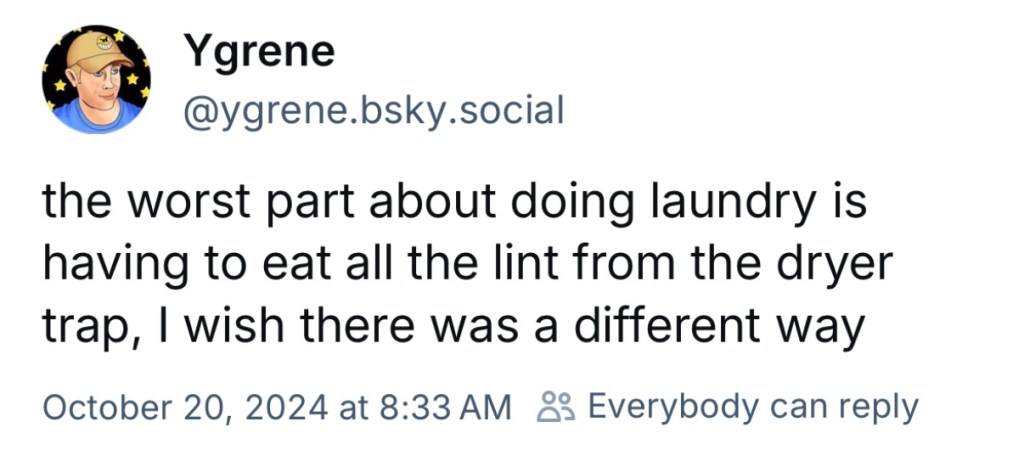
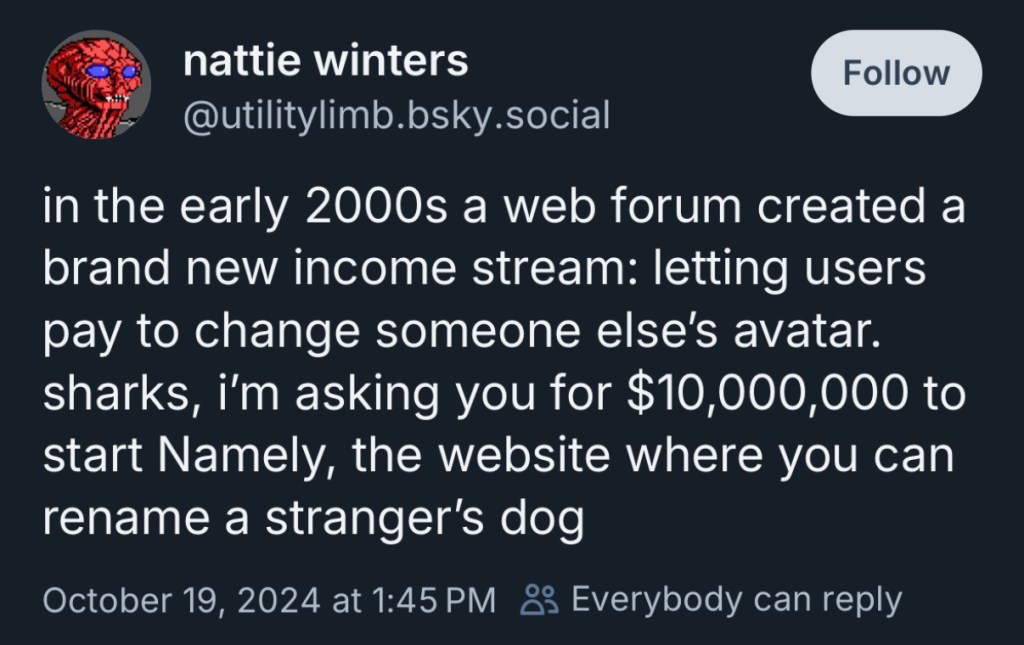
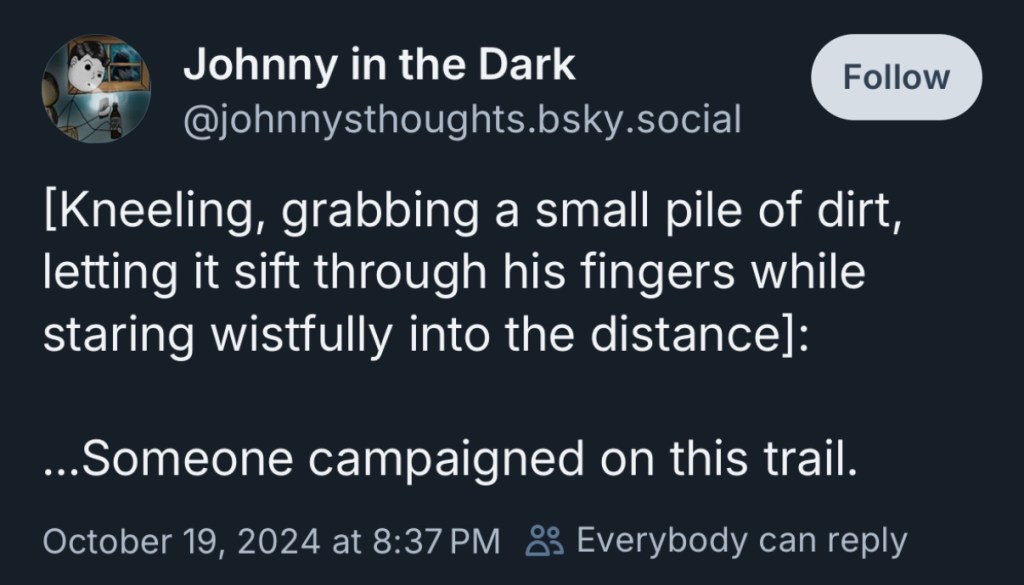
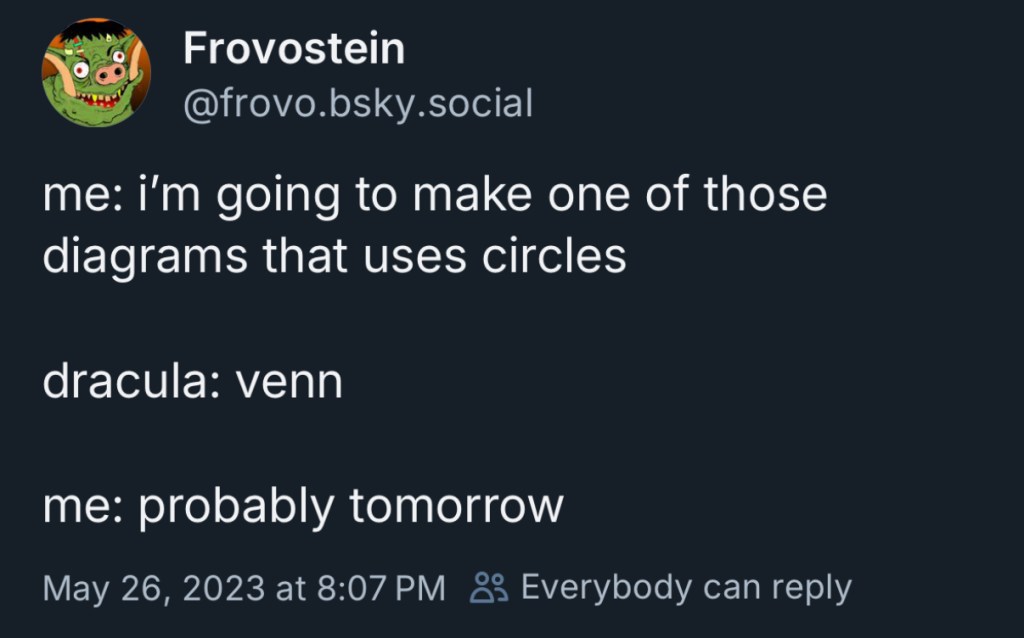
Five Laughs

One Photo
Discover more from digitalpolity.com
Subscribe to get the latest posts sent to your email.
 digitalpolity.com